
How to Clean Washing Machine Gasket: The 2026 Guide to Banishing Mold and Mildew
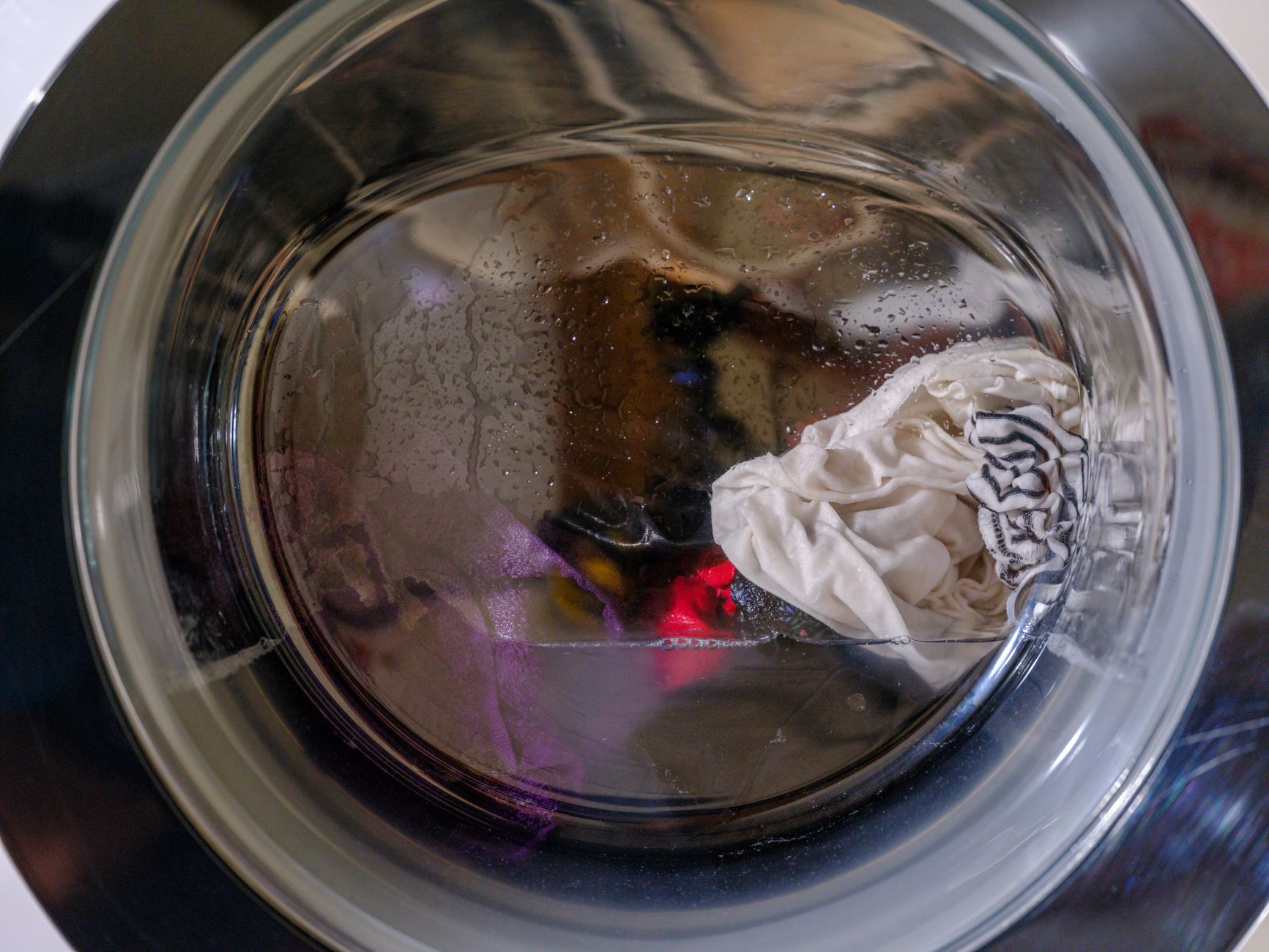
If you’ve noticed a musty smell hitting you every time you open your washer door, you’re not alone. With the 2026 surge in high-efficiency appliance sales and the ongoing trend toward eco-friendly cold-water washing, more homeowners are discovering that their front-loading machines have become breeding grounds for mold. Learning how to clean washing machine gasket seals has become essential maintenance, not optional housekeeping.
That rubber boot seal around your washer door—technically called the bellows—traps moisture, lint, hair, and detergent residue in its accordion folds. In 2026, with energy-efficient machines using less water than ever, that residue isn’t getting flushed away as effectively. The result? Black mold spots, that distinctive sour smell, and potentially ruined laundry.
Here’s the good news: you don’t need expensive specialty cleaners or a service call. With the right technique and about 20 minutes, you can restore that gasket to like-new condition and keep it that way.
Why Your Washing Machine Gasket Gets So Gross (And Why 2026 Makes It Worse)
Front-loading washers have dominated the market since 2024, but their design creates a perfect storm for mold growth. Unlike top-loaders that drain completely, front-loaders retain about two cups of water in the gasket folds after every cycle. Add modern low-sudsing detergents—which don’t contain the harsh surfactants of older formulas—and you’ve got a moist, dark environment where mold colonies thrive.
The gasket itself is made of porous rubber with deep pleats designed to flex with the drum. Those pleats trap:
- Microplastics and synthetic fibers from performance fabrics
- Pet hair that bypasses your dryer’s lint trap
- Detergent scum that builds up over 6-8 weeks of regular use
- Skin cells and body oils from workout clothes and bedding
In 2026, dermatologists are reporting increased cases of “washing machine dermatitis”—skin irritation caused by mold spores transferring from gasket to clothing. If anyone in your household has unexplained rashes or respiratory irritation, your gasket might be the culprit.
The Deep Clean: Step-by-Step Gasket Restoration
Before you start, gather your supplies: white vinegar or hydrogen peroxide (3%), an old toothbrush, microfiber cloths, and rubber gloves. Skip the bleach—it degrades rubber over time and creates toxic fumes when mixed with other chemicals.
Step 1: Pull Back the Folds Open the washer door and gently pull back the rubber gasket. You’ll likely find standing water, hair, and possibly black spotting. Use a dry cloth to soak up pooled water first.
Step 2: Apply Your Cleaner Spray undiluted white vinegar or 3% hydrogen peroxide directly into the folds. For stubborn black mold, make a paste of baking soda and water, apply it to affected areas, and let it sit for 10 minutes. The fizzing action lifts mold from the rubber pores.
Step 3: Scrub the Crevices Use your toothbrush to scrub between each fold, working from top to bottom. Pay special attention to the 6 o’clock position where water pools most heavily. For tight spots, wrap a cloth around a butter knife to reach deep into the bellows.
Step 4: Wipe and Dry Wipe away all residue with a clean microfiber cloth. Leave the door open for at least 2 hours to air dry completely—this step is non-negotiable for preventing immediate regrowth.
The Maintenance Routine That Actually Works in 2026
Knowing how to clean washing machine gasket seals is only half the battle; keeping them clean requires adjusting your laundry habits for modern machines.
The Weekly Quick-Wipe Every Sunday (or your laundry day), take 30 seconds to wipe the gasket with a dry microfiber cloth. This removes moisture before mold can establish. In humid climates—particularly the Southeastern U.S. where 2026 has seen record humidity levels—do this twice weekly.
Monthly Maintenance Washes Run an empty hot water cycle with two cups of white vinegar added directly to the drum (not the dispenser). The acetic acid kills mold spores and dissolves mineral buildup. Follow with a hot water-only cycle to rinse.
The Door Position Trick After every load, leave the door ajar at least 4 inches. Newer 2026 models often include magnetic door props, but if yours doesn’t, a simple towel draped over the door edge keeps it open enough for airflow without taking up space.
Detergent Discipline Use no more than two tablespoons of HE detergent per load. Excess suds create the biofilm that feeds mold. If you’re using pods, switch to powder or liquid for better control—pods often contain more detergent than necessary for average loads.
When to Call a Professional (Or Replace the Gasket)
Sometimes DIY cleaning isn’t enough. If you’ve cleaned the gasket but still notice:
- Persistent pink or orange staining (indicates bacterial growth deep in the rubber)
- Cracking or tears in the rubber (compromises the seal and wastes water)
- Mold that returns within 48 hours despite thorough drying
…it’s time to call an appliance technician. In 2026, gasket replacement costs between $150-$300 depending on your machine model, but many manufacturers now offer extended warranties covering mold-related gasket failure—check your paperwork before paying out of pocket.
For severe mold infestations, professionals use antimicrobial foggers that reach behind the drum where you can’t access. This service typically runs $100-$150 and includes sanitizing the entire internal system, not just the visible gasket.
Keep That Seal Fresh Year-Round
Mastering how to clean washing machine gasket seals transforms your laundry routine from a source of frustration to a point of pride. That rubber seal might seem like a small component, but it’s the barrier between your clean clothes and a moldy mess.
Set a phone reminder for the first Sunday of each month: check the gasket, run a vinegar cycle, and inspect for early mold spots. Your nose—and your clothes—will thank you. With 2026’s focus on sustainable living and appliance longevity, proper gasket maintenance isn’t just about cleanliness; it’s about making your investment last the full 11-14 year lifespan manufacturers promise.
Ready to tackle the rest of your laundry room? Start with that gasket today, and enjoy the satisfaction of opening your washer to nothing but fresh, clean air.