
How to Clean Hardwood Floors Without Streaks: The 2026 Method
As we move through 2026, the home cleaning industry is experiencing a major shift toward sustainable, low-chemical solutions—and hardwood floor care is leading the charge. With more homeowners investing in premium engineered and solid hardwood (the National Wood Flooring Association reports a 23% increase in installations since 2024), knowing how to clean hardwood floors without streaks has become essential knowledge for protecting that investment while achieving that coveted showroom shine.
Streaky floors aren’t just an aesthetic annoyance—they’re often a sign of product buildup, improper technique, or moisture damage that can cost thousands to repair. The good news? Achieving streak-free hardwood floors doesn’t require expensive professional services or harsh chemicals. It requires understanding the science behind why streaks happen and implementing a few game-changing techniques.
Why Your Hardwood Floors Streak (And How to Stop It)
Before diving into solutions, let’s diagnose the problem. Streaks typically appear for four main reasons:
1. Product residue buildup – Traditional floor cleaners contain waxes, oils, or soaps that leave a film. Over time, this creates a cloudy, streaky appearance that attracts more dirt.
2. Excess moisture – Hardwood and water are natural enemies. Too much liquid causes the wood to swell slightly, creating uneven surfaces that reflect light differently—hello, streaks.
3. Dirty cleaning tools – That mop you’ve used for three months without washing? It’s redistributing grime, not removing it.
4. Hard water minerals – If you’re mixing cleaning solutions with tap water in areas with high mineral content, you’re essentially mopping with liquid chalk.
The 2026 approach addresses all four issues simultaneously, focusing on prevention rather than correction.
The Essential Tools for Streak-Free Success
Forget the old string mop and bucket. Modern hardwood floor care requires precision tools that control moisture and eliminate residue:
- Microfiber flat mop – Look for one with a removable, machine-washable pad. The 2026 models feature dual-sided pads: one for cleaning, one for buffing dry.
- pH-neutral cleaner – Specifically formulated for hardwood. Avoid anything labeled “all-purpose” or containing vinegar, ammonia, or oil soaps.
- Distilled water – This is the insider secret. Mixing your cleaner with distilled water eliminates mineral streaking entirely.
- Spray bottle – For controlled application. Never pour cleaner directly on floors.
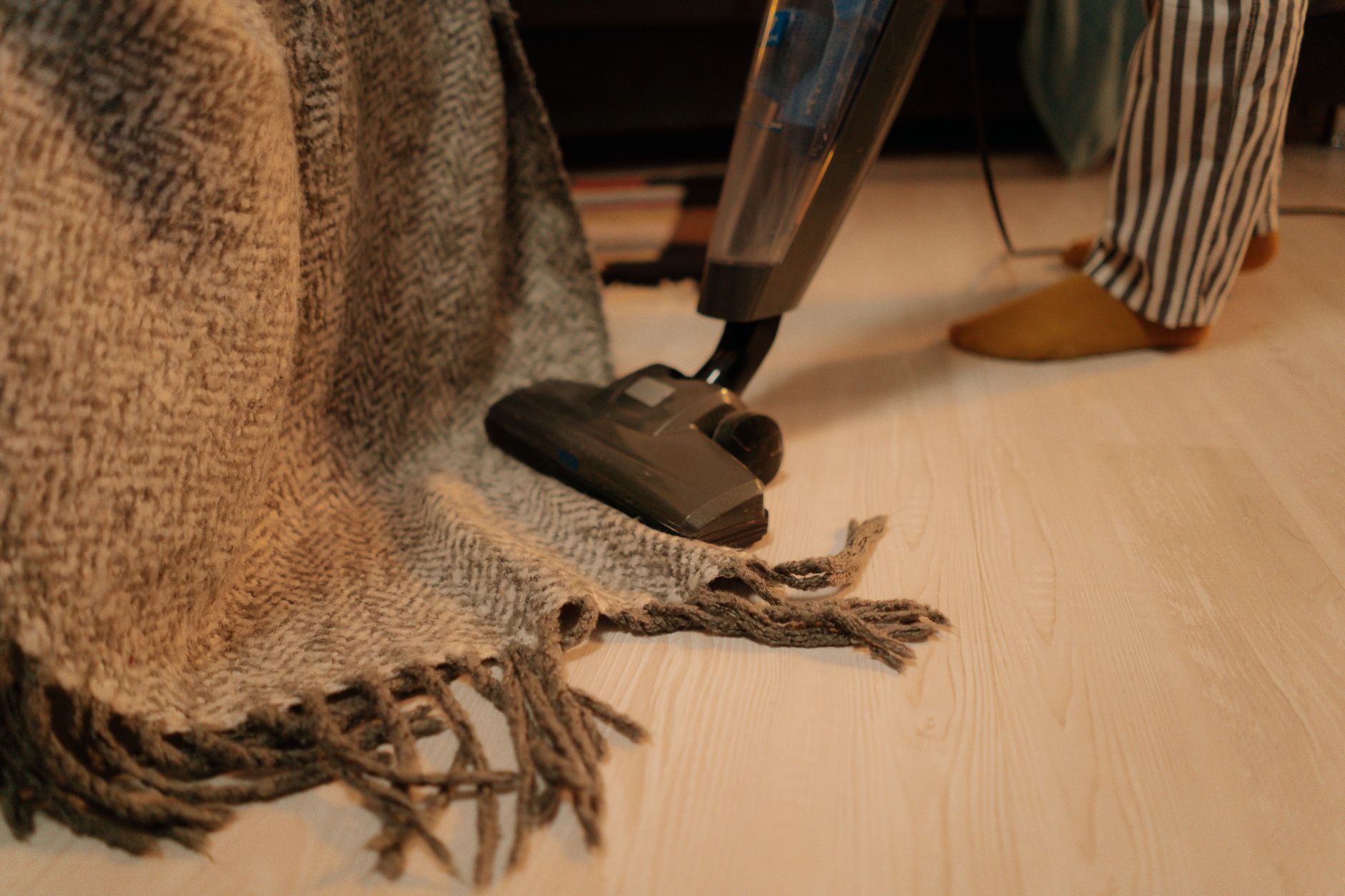
- Soft-bristle broom or vacuum with hardwood setting – Daily dry cleaning prevents grit from scratching and dulling your finish.
Pro tip: The Bona Hardwood Floor Care System remains the gold standard in 2026, but newer eco-friendly brands like Method Squirt + Mop and Aunt Fannie’s are gaining traction for their plant-based, streak-free formulas.
The Step-by-Step Method That Actually Works
Here’s the professional technique adapted for home use:
Step 1: Dry clean thoroughly Remove all dust, pet hair, and debris. Grit acts like sandpaper under your mop, creating micro-scratches that trap dirt and cause streaking.
Step 2: Prepare your solution Mix your pH-neutral cleaner according to package directions—using distilled water. If using a concentrated formula, less is more. Over-concentration is the #1 cause of residue streaks.
Step 3: Work in small sections Spray a 3x3 foot area lightly. The floor should look damp, not wet. Mop immediately with the grain of the wood using figure-eight motions.
Step 4: Buff dry immediately This is the step most people skip. Flip your mop to the dry side or use a clean microfiber cloth to buff the section dry. This removes any remaining moisture and prevents water spots.
Step 5: Maintain your tools Wash microfiber pads after every use—no fabric softener, which coats fibers and causes streaking. Air dry completely before next use.
The 2026 Innovations Changing Floor Care
This year has brought some genuinely useful advancements worth incorporating:
Electrolyzed water systems – Devices like the Force of Nature starter kit convert salt, water, and vinegar into a powerful, residue-free cleaner. It’s EPA-registered, kills 99.9% of germs, and leaves zero streaks because it contains no surfactants or fragrances.
UV-cure finishes – New hardwood installations increasingly feature factory-applied UV-cured finishes that resist scratching and staining. These require even less moisture and gentler cleaners than traditional polyurethane.
Smart humidity monitoring – Devices like the Govee Hygrometer connect to your phone and alert you when humidity drops below 35% or rises above 55%—the range where wood expands and contracts, making streaks more likely.
Common Mistakes That Ruin Your Results
Even with perfect technique, these errors sabotage your efforts:
- Using vinegar solutions – Despite viral TikTok hacks, vinegar’s acidity dulls polyurethane finishes over time, creating permanent streaky patches.
- Steam mops – The heat and moisture force water into wood seams, causing clouding and warping. Most flooring manufacturers void warranties for steam mop damage.
- Walking on damp floors – Footprints on wet finish create permanent marks. Wait until floors are completely dry—usually 15-20 minutes with proper technique.
- Ignoring seasonal changes – Winter heating dries wood, making it more absorbent and prone to streaking. Summer humidity does the opposite. Adjust your cleaner concentration accordingly.
Conclusion: Your Path to Permanently Streak-Free Floors
Learning to clean hardwood floors without streaks transforms not just your home’s appearance but your relationship with maintenance. The 2026 method—using proper tools, distilled water, minimal product, and immediate buffing—takes the same time as your old routine but delivers dramatically better results.
Start tonight: vacuum thoroughly, mix a small batch of pH-neutral cleaner with distilled water, and practice the spray-mop-buff technique in one room. Notice how the wood reflects light evenly, how the finish looks deeper and richer. That’s not just cleanliness—that’s preservation.
Your hardwood floors represent a significant investment in your home’s value and your daily comfort. Treat them with the care they deserve, and they’ll reward you with decades of streak-free beauty. The best part? Once you master this method, you’ll spend less time cleaning and more time enjoying the warm, polished glow that only well-maintained hardwood provides.