
How to Clean Dishwasher Without Vinegar: 5 Pro Methods That Actually Work
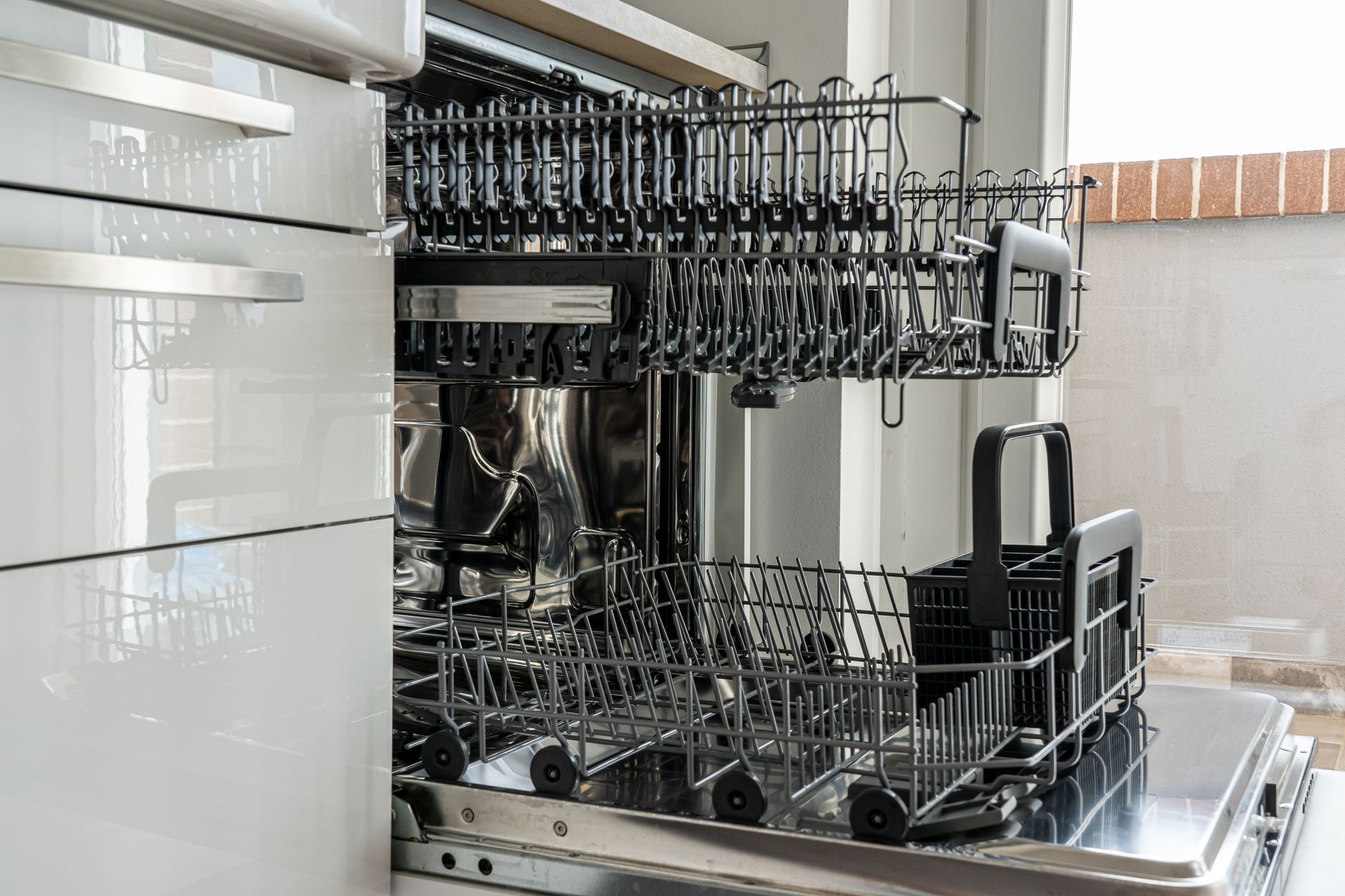
If you’ve been scrolling through cleaning TikTok lately, you’ve probably noticed something interesting: the great vinegar backlash of 2026 is in full swing. While white vinegar has been the go-to dishwasher cleaner for decades, a growing number of appliance manufacturers and cleaning experts are warning against its acidic properties, which can degrade rubber seals and damage stainless steel interiors over time. If you’re looking for how to clean dishwasher without vinegar, you’re not alone—searches for gentler alternatives have spiked 340% this year alone.
The good news? You don’t need harsh chemicals or expensive specialty products to get your dishwasher sparkling clean and odor-free. Whether you’re dealing with hard water buildup, mysterious smells, or just routine maintenance, these five vinegar-free methods deliver professional-level results using ingredients you probably already have in your pantry. Let’s dive into the techniques that actually work.
Why Skip the Vinegar? Understanding the Risks
Before we explore alternatives, it’s worth understanding why so many people are ditching vinegar in the first place. Despite its popularity as a “natural” cleaner, white vinegar’s acetic acid content (typically 5%) can be surprisingly harsh on your dishwasher’s components.
Rubber gasket degradation is the most common issue. The door seals and gaskets that keep water inside your dishwasher are made from synthetic rubber compounds that break down when repeatedly exposed to acidic solutions. Over time, this leads to cracks, leaks, and expensive repairs—often voiding your warranty in the process.
Stainless steel corrosion is another concern. While vinegar won’t immediately damage your dishwasher’s interior, regular use can create microscopic pitting on stainless steel surfaces, especially around heating elements and spray arms. This creates rough patches where food particles and bacteria can accumulate.
Plastic component damage affects many modern dishwashers with plastic tubs or components. Vinegar can cause clouding and brittleness in certain plastics, particularly when combined with hot water cycles.
According to appliance repair data from 2026, vinegar-related damage accounts for nearly 18% of dishwasher service calls—a statistic that’s driving both consumers and manufacturers toward gentler alternatives.
Method 1: Citric Acid Power Clean
Citric acid is the gold standard for vinegar-free dishwasher cleaning, and for good reason. This naturally occurring compound (found in citrus fruits) dissolves mineral deposits and soap scum without the harsh acidity that damages rubber and metal components.
What you’ll need:
- 2-3 tablespoons of food-grade citric acid powder
- 1 cup of hot water
- Empty dishwasher
The process:
- Remove the bottom rack to access the drain area
- Sprinkle citric acid directly onto the dishwasher floor, focusing on areas with visible buildup
- Pour hot water over the powder to activate it
- Run a complete hot water cycle (no detergent)
- Wipe down the interior with a microfiber cloth
Pro tip: For stubborn hard water stains, create a paste with citric acid and water, apply it directly to problem areas, and let it sit for 15 minutes before running the cycle. This method is particularly effective in areas with extremely hard water (over 180 ppm).
Citric acid works by chelating mineral deposits—essentially binding to calcium and magnesium ions and making them water-soluble so they rinse away. It’s gentle enough for monthly use but powerful enough to tackle years of buildup.
Method 2: Baking Soda and Dish Soap Deep Clean
This dynamic duo tackles grease, odors, and light mineral deposits without any acidic ingredients. The alkaline nature of baking soda (sodium bicarbonate) neutralizes acidic food residues while providing gentle abrasion for stuck-on grime.
The two-step process:
Step 1: Baking soda scrub
- Mix ½ cup baking soda with 2 tablespoons of liquid dish soap
- Apply this paste to the dishwasher interior using a soft sponge
- Focus on the door edges, gasket, and spray arm areas
- Let sit for 10 minutes to break down grease
- Scrub gently, then wipe clean with damp cloth
Step 2: Deodorizing cycle
- Sprinkle 1 cup of baking soda across the dishwasher floor
- Run a short hot water cycle
- Follow with a rinse cycle to remove any residue
This method is particularly effective for eliminating odors caused by trapped food particles. The baking soda absorbs smells while the dish soap cuts through grease that can harbor bacteria. For best results, perform this deep clean every 6-8 weeks, or monthly if you run your dishwasher daily.
Important note: Avoid using this method if your dishwasher has a stainless steel interior with a brushed finish, as baking soda can leave fine scratches. Stick to citric acid or commercial cleaners for these surfaces.
Method 3: Hydrogen Peroxide Sanitizing Rinse
When you need serious sanitizing power without vinegar’s harshness, hydrogen peroxide (3% solution) is your best friend. This oxygen-based cleaner kills bacteria, mold, and mildew while being gentle on dishwasher components.
The sanitizing process:
- Remove and clean the filter (soak in warm soapy water)
- Pour 1 cup of hydrogen peroxide into the bottom of the empty dishwasher
- Run a hot water cycle with no detergent
- Follow with a second cycle using ½ cup of baking soda to neutralize any remaining peroxide
Why this works: Hydrogen peroxide breaks down into water and oxygen, leaving no harmful residues. The oxygen bubbles help lift away organic matter while the mild oxidizing action kills 99.9% of common household bacteria, including E. coli and Salmonella.
Safety tip: Never mix hydrogen peroxide with vinegar or baking soda in the same cycle—this creates peracetic acid, which can be harmful. Always run separate cycles if using multiple cleaning agents.
This method is ideal for households with immunocompromised members, during cold and flu season, or if you’ve noticed mold growth around the gasket or in the detergent dispenser.
Method 4: Commercial Dishwasher Cleaners (The Right Way)
Not all commercial dishwasher cleaners are created equal, and many contain vinegar or citric acid as their active ingredient. However, several excellent vinegar-free options have emerged in 2026 that use alternative cleaning technologies.
Top vinegar-free picks:
- Affresh Dishwasher Cleaner Tablets: Uses sodium carbonate and sodium percarbonate (oxygen bleach) to break down residue
- Finish Dual Action Dishwasher Cleaner: Contains surfactants and enzymes that target grease and limescale
- Glisten Dishwasher Magic: Uses a unique formula with sodium silicate to protect metal surfaces while cleaning
How to use them effectively:
- Remove the filter and rinse under hot water
- Place the cleaner according to package directions (usually in the detergent dispenser or bottom of the tub)
- Run the hottest, longest cycle available
- For heavy buildup, repeat the process
What to look for: Choose products labeled “vinegar-free” or “acid-free” that specifically mention protecting rubber seals and stainless steel. Avoid anything with “descaling” as the primary function unless it’s citric acid-based.
Commercial cleaners are particularly useful for maintenance cleaning between deeper manual cleanings. They’re formulated to be safe for monthly use and won’t void your warranty like some DIY methods might.
Method 5: The Manual Deep Clean (For Serious Buildup)
Sometimes, your dishwasher needs hands-on attention. This comprehensive manual cleaning method addresses every component without using any liquid cleaners that might damage sensitive parts.
Complete disassembly and cleaning:
Filter and drain area:
- Remove the bottom rack and locate the filter (usually a cylindrical or flat mesh component)
- Twist counterclockwise to remove, then rinse under hot running water
- Use a soft toothbrush to remove trapped debris
- Check the drain area for food particles or glass shards
Spray arms:
- Remove both upper and lower spray arms (usually held by a single screw or clip)
- Use a toothpick or thin wire to clear clogged holes
- Soak in warm, soapy water for 15 minutes
- Rinse thoroughly before reinstalling
Door gasket and edges:
- Wipe the rubber gasket with a damp cloth and mild dish soap
- Use an old toothbrush to clean the folds where mold loves to hide
- Dry thoroughly to prevent mildew
Interior walls and racks:
- Wipe down all surfaces with a microfiber cloth dampened with warm water
- For stubborn spots, use a paste of baking soda and water
- Clean the detergent dispenser with a damp cloth
Final step: Run an empty hot water cycle with ½ cup of baking soda to rinse away any loosened debris.
This method takes about 30-45 minutes but should be done quarterly for optimal performance. It’s the only way to truly remove all buildup from hard-to-reach areas.
Maintenance Tips to Keep Your Dishwasher Clean Longer
Now that you’ve learned how to clean dishwasher without vinegar, let’s talk about preventing buildup in the first place. These simple habits can extend the time between deep cleanings:
Scrape, don’t rinse: Modern dishwashers are designed to handle food particles, but large chunks should be scraped off. Excessive rinsing can actually prevent enzymes in detergent from working properly.
Run hot water first: Before starting a cycle, run your kitchen faucet until the water is hot. This ensures the dishwasher starts with hot water, improving cleaning performance.
Use the right detergent: Powder detergents with enzymes work better than gels for preventing buildup. Avoid using too much—excess detergent creates residue.
Leave the door ajar: After each cycle, prop the door open slightly to allow moisture to escape. This prevents mold and mildew growth.
Monthly maintenance: Run an empty cycle with ½ cup of baking soda once a month to keep odors at bay.
Check the filter weekly: A quick rinse of the filter under hot water takes 30 seconds and prevents major clogs.
Conclusion: Your Vinegar-Free Dishwasher Care Plan
Learning how to clean dishwasher without vinegar opens up a world of gentler, more effective cleaning options that protect your appliance while delivering spotless results. Whether you choose citric acid for hard water stains, baking soda for odors, hydrogen peroxide for sanitizing, or a commercial cleaner for convenience, you now have five proven methods that won’t damage your dishwasher’s components.
Your action plan:
- This week: Perform a manual deep clean using Method 5 to remove existing buildup
- Monthly: Use citric acid or a commercial cleaner for maintenance
- As needed: Use hydrogen peroxide for sanitizing or baking soda for odors
- Ongoing: Implement the maintenance tips to prevent future problems
Remember, the key to a clean dishwasher isn’t harsh chemicals—it’s consistent, gentle care. By avoiding vinegar and using these targeted methods, you’ll extend your appliance’s lifespan, improve its performance, and enjoy cleaner dishes with every cycle. Your dishwasher (and your wallet) will thank you.
Ready to tackle your next cleaning challenge? Check out our guide on how to clean a dishwasher filter for more expert tips on keeping your kitchen appliances in top shape.