
Cleaning Your New Home Before Unpacking: The 2026 Room-by-Room Reset Method
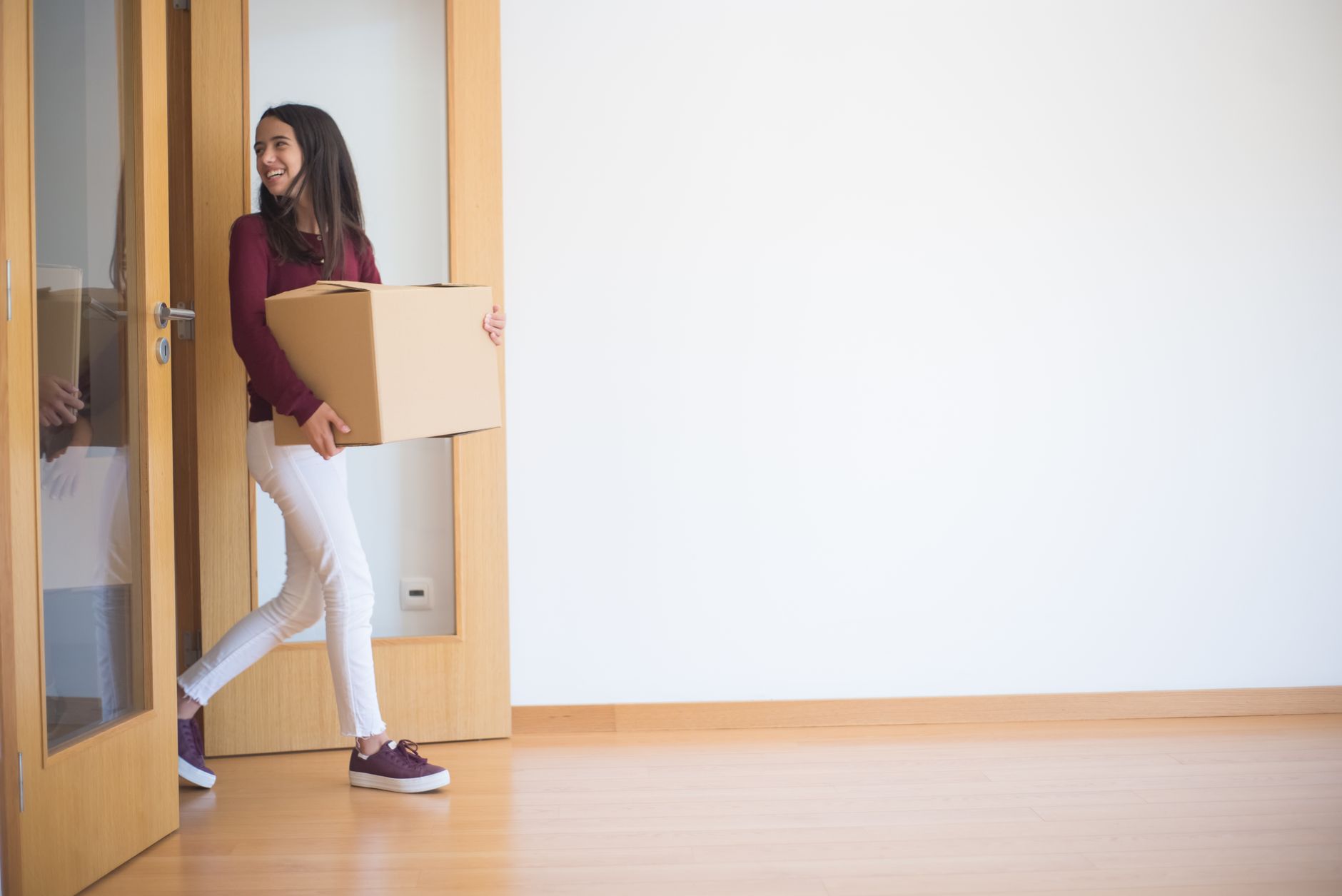
The “30 Great Cleaning Tips For Your New Home” trend dominating TikTok and Pinterest this summer isn’t just another aesthetic movement—it’s a practical rebellion against the chaos of moving day. After watching thousands of new homeowners dump boxes into rooms they haven’t properly cleaned, the 2026 approach flips the script entirely. The smartest move you can make? Cleaning your new home before unpacking a single coffee mug.
Here’s the reality most moving guides gloss over: once your belongings fill a room, you’ll never clean it as thoroughly again. That dusty closet corner becomes hidden behind winter coats. The grimy cabinet interior gets covered by cereal boxes. The previous owner’s lingering pet hair? Buried under your sofa for years.
This isn’t about perfectionism. It’s about a one-time reset that saves you 40+ hours of frustrated spot-cleaning over your first year. Let’s walk through the room-by-room method that actually works.
Why the “Clean Empty” Window Matters More Than You Think
You have roughly 48 to 72 hours between getting keys and needing functional spaces. That narrow window—when rooms are empty and you haven’t yet developed “good enough” blindness—is your only shot at a true reset.
Professional organizers who specialize in relocations (yes, that’s now a $2.4 billion niche) call this the “golden gap.” The 2026 trend toward “pre-unpacking cleaning parties” reflects hard-learned wisdom: cleaning around furniture and boxes increases your time investment by approximately 300%, according to move coordinators at major van lines.
The psychology matters too. Walking into a truly clean space triggers what environmental psychologists term “territorial marking”—your brain registers the space as yours in a way that superficial tidying never achieves. That fresh-start feeling you’re chasing? It requires actual freshness.
Your Pre-Unpacking Cleaning Toolkit: 2026 Essentials
Before you touch a single room, assemble this specific kit. Skip the all-purpose grab-bag approach that leaves you running to the store mid-clean.
The non-negotiables:
- Extendable dusters with microfiber heads (ceiling corners and crown molding collect decades of neglect)
- Steam cleaner (rentable for $35/day; sanitizes without chemicals and works on hard floors, appliances, and bathroom fixtures)
- Enzyme-based cleaner (neutralizes previous pet odors at the molecular level, not just masking them)
- Toothbrush-style detailing brushes (track lighting, vent slats, window tracks—the previous owner definitely skipped these)
- Painter’s tape and plastic sheeting (protect clean floors when moving items in later)
Skip the trendy “cleaning caddies” for this phase. You need a rolling cart or wagon. You’re covering serious square footage empty, and carrying supplies wastes energy you’ll need.
The Kitchen: Start Here Even If You’re Not Hungry
The kitchen demands priority status for one reason: you’ll need it functioning before any other room. But the “clean empty” approach here looks different than standard kitchen cleaning.
Cabinet interiors come first. Remove every shelf if possible. The 2026 trend of “contact paper archaeology”—peeling back layers of old shelf liners to reveal mold, mouse droppings, or water damage—has gone viral for good reason. Document anything concerning for your landlord or warranty claim.
The refrigerator requires unplugging and full defrosting if it’s the previous owner’s unit. That drip pan underneath? 73% of previous owners never cleaned it, and it’s a bacteria paradise. The coil area behind or beneath needs vacuuming—this alone improves efficiency by up to 15%.
Range hood vent filters soak in degreaser while you work elsewhere. Most people never touch these; they’re often fire hazards coated in flammable residue.
The dishwasher gets run empty with citric acid powder (not just a cleaner cycle—actual powder that breaks down mineral buildup and food particle accumulation in the filter system).
Only after these hidden systems are clean should you wipe visible surfaces. Countertops and floors come last—they’ll get dirty again during your actual move-in.
Bathrooms: The 90-Minute Deep Sanitize
Bathrooms are the one room where “clean enough” isn’t enough. You’re sharing intimate space with strangers’ biological residue.
The sequence that matters:
Start with the exhaust fan—remove the cover, soak it, vacuum the housing. This prevents immediately re-circulating dust onto your clean surfaces.
Grout and caulk lines get pretreatment with hydrogen peroxide paste while you work elsewhere. The 30-minute dwell time does the scrubbing for you.
Behind the toilet and under the tank require handheld mirror inspection. If you’re squeamish, this is where you discover whether the previous owner had male children with questionable aim.
Faucet aerators unscrew with pliers (protected by cloth) and soak in vinegar. Water pressure issues in your new home often trace directly to clogged aerators full of other people’s mineral buildup.
Medicine cabinets and drawer interiors get wiped with disinfectant, not just cleared. The 2026 “bathroom archaeology” trend has people finding everything from expired prescriptions to… worse. Don’t skip this step.
Finish with floor drains and shower door tracks—the final frontier of previous-owner neglect. A wet/dry vacuum with narrow attachment pulls out the gunk that breeding insects adore.
Bedrooms and Living Spaces: Dust Management at Scale
These larger rooms benefit most from the empty-room advantage. With no furniture, you can work top-to-bottom systematically.
Ceiling fixtures and fans first—otherwise you’re dropping dust onto clean floors. The extendable duster with bendable head reaches most fixtures without a ladder.
Baseboards and quarter-round molding collect surprising grime. A damp microfiber mop with flat attachment covers these faster than hand-wiping. The 2026 “baseboard reveal” trend shows shocking before/after transformations from this single step.
Closet systems get completely emptied and wiped. Shelf standards, hanging rods, and floor surfaces—all of it. If you’re installing closet organizers, this is your only chance to paint or patch walls without working around clothing.
Window treatments need decision-making. Blinds soak in bathtub with vinegar solution. Curtains? If they’re staying, they need laundering or at least vacuuming with upholstery attachment. The previous owner’s dust mite situation becomes your problem.
Floors come absolutely last, and the method depends on material. Hardwood gets vacuum (not broom—brooms push grit that scratches) then damp-mop with proper cleaner. Carpet demands professional extraction if it’s staying; if you’re replacing, still vacuum thoroughly to prevent dust migration during removal.
The Entryway and Transitional Spaces: Your Clean Line of Defense
The 2026 “mudroom reset” trend recognizes what previous generations missed: your entryway is a contamination transfer station. Cleaning it thoroughly before establishing your systems prevents tracking problems throughout the home.
The garage or attached storage needs particular attention if it’s connecting directly to living space. Previous owners’ automotive fluids, fertilizer residues, and general garage grime migrate indoors via shoes and pet paws.
Create your transition zone during this cleaning phase: establish the mat system, shoe storage location, and pet wiping station before you need them. Once boxes arrive, you’ll default to whatever’s easiest—establish the right “easiest” now.
Door hardware throughout the house gets disinfectant treatment. Handles, locks, and switch plates are the most-touched, least-cleaned surfaces in any home. You’re literally inheriting someone else’s hand microbiome.
The Final Walkthrough: Your Pre-Unpacking Checklist
Before that first box crosses the threshold, complete this verification:
- All water fixtures run clear (no rust or sediment from sitting pipes)
- Every drain flows freely (test with full sink volume)
- HVAC filters replaced and vents vacuumed
- Windows open, close, and lock properly (clean tracks make this possible)
- Light fixtures have working bulbs at appropriate color temperature
- Smoke and CO detectors tested with fresh batteries
- Specific odors identified and sourced (musty? pet? chemical? each demands different treatment)
Cleaning your new home before unpacking isn’t about starting your move-in exhausted. It’s about starting your life in that home with genuine freshness—the kind you can’t fake with scented candles or quick surface wipes. The 48-hour investment pays dividends in health, efficiency, and that psychological ownership that transforms a house into your space.
The boxes can wait. Your future self, living in a home that truly feels yours from day one, will thank you.